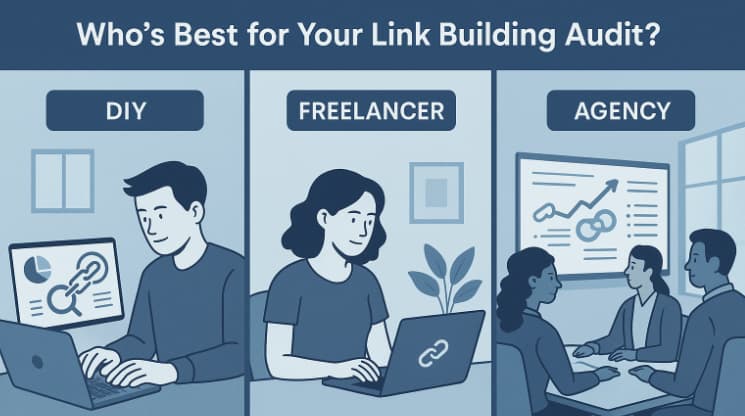
Even a single bad backlink can seriously damage your site’s rankings. That’s why backlink audits aren’t just nice to have—they’re necessary. But who’s the best fit to run one? Should you take it on yourself, bring in a freelancer, or go with an SEO agency? The answer depends on your experience level, your budget, and how complex your link profile is.
What Is a Link Building Audit?
A link-building audit is like a health check for your website’s backlinks. It digs into every link pointing to your site to figure out which ones boost your SEO—and which ones might actually hurt it.
The process includes:
- Checking each link’s quality, relevance, and authority;
- Flagging toxic or spammy links that could get you penalized;
- Finding lost or broken links worth recovering;
- Comparing your backlinks to competitors’ to find gaps and opportunities.
Skip this, and you could waste time chasing weak links while missing dangerous ones dragging your rankings down.
Why a Link Building Audit Is Necessary
Google uses backlinks as a key signal to judge a site’s credibility and ranking power. But here’s the catch—not all links are good for you. Some give your SEO a serious lift, while others can actually hurt your rankings or even get you penalized.
That’s why regular link audits are necessary. They help maintain a clean backlink profile and support stable search visibility. Here are the key points to consider:
1. Removing Toxic & Harmful Links
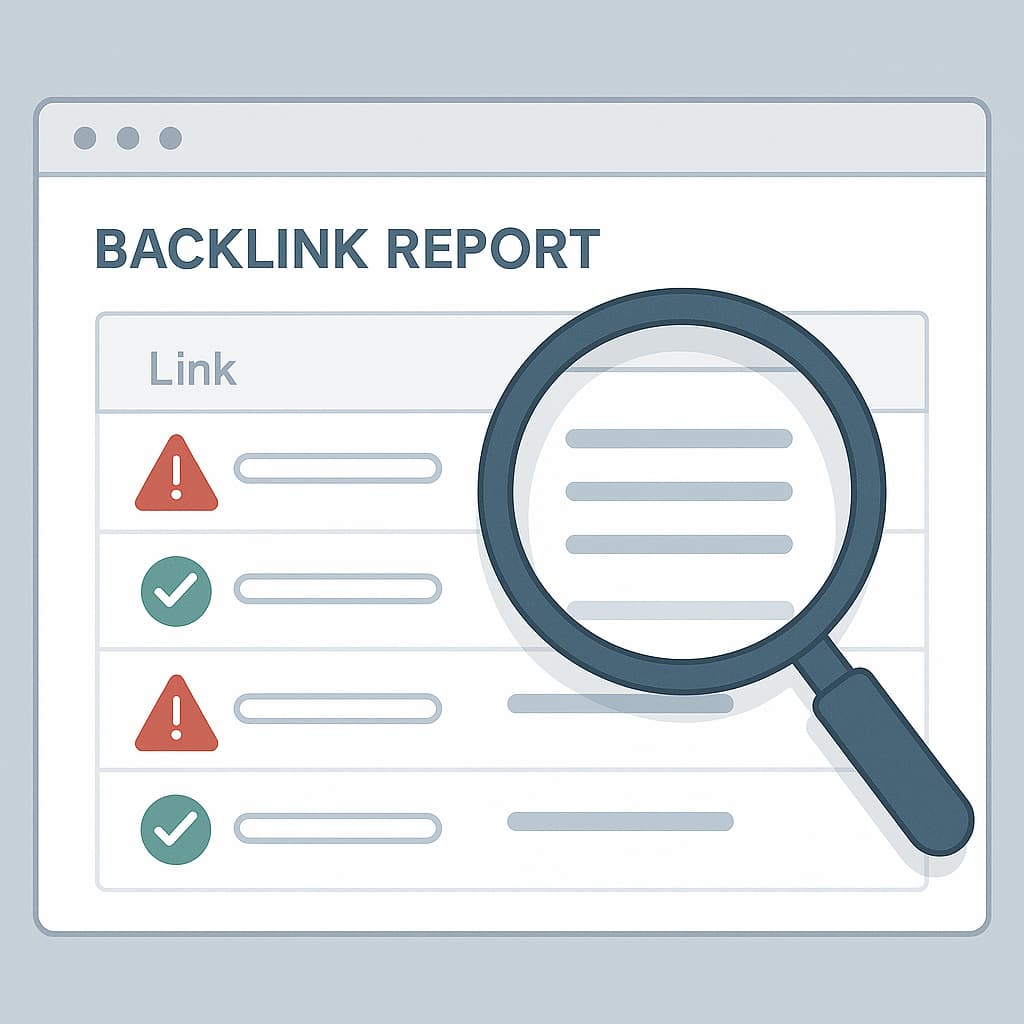
Low-quality backlinks from spammy, irrelevant, or penalized sites can severely damage your rankings. Google’s algorithms (like Penguin) actively penalize sites with unnatural or manipulative link patterns. A thorough audit helps:
- Varying anchors – Mix branded (“Nike”), generic (“read more”), and keyword links.
- Avoiding spam flags – Too many exact-match keywords look manipulative.
- Optimizing internal links – Use descriptive anchors that help users navigate.
Ignoring bad links can lead to manual penalties, ranking drops, or even de-indexing in extreme cases.
2. Recovering Lost or Broken Links
High-quality backlinks can vanish, hurting your SEO. Site migrations, deleted pages, or changes on external sites can break links, wasting their value.
A link audit finds these lost connections, so you can recover them by fixing redirects or contacting webmasters. This preserves your link equity and prevents unnoticed SEO losses. Regular checks keep your backlinks strong.
3. Finding New Link-Building Opportunities
A key benefit of a full link-building audit is reviewing competitors’ backlinks to find missed opportunities. A competitive analysis shows which strong websites link to other businesses in your field but not to yours. These missing links point to potential targets for your own link-building work.
You could discover blogs in your industry, news sites, or resource hubs that are linking to your competitors but haven’t mentioned you yet. These are golden opportunities – maybe you could write a guest post, naturally add your link to their existing content, or just politely ask for a mention. Plus, checking where your competitors get their links reveals their winning strategies—maybe they’re great at fixing broken links, running PR campaigns, building partnerships, or landing expert interviews.
4. Improving Anchor Text Distribution for Natural SEO
Google checks anchor text for unnatural linking patterns. If too many of your backlinks include the same terms, it might result in penalties and harm your rankings. A thorough link audit helps keep a natural backlink profile by focusing on:
- Mix anchor types – Use branded (“Company”), generic (“Click here”), and keyword-rich variations.
- Limit exact-match – Overuse may trigger penalties.
- Optimize internal links – Descriptive anchors improve UX and SEO.
Using a natural mix of anchor text makes your site appear more authentic to search engines, helping maintain better rankings. Check what anchor texts your competitors are using – this gives you useful ideas while keeping your own linking strategy effective and realistic.
5. Measuring Link Growth & ROI
Want your link-building efforts to actually pay off? Then you can’t skip regular backlink audits. These check-ins are like a health exam for your SEO—they show you what’s driving results and where you need to pivot. By keeping a close eye on your backlinks, you’ll:
- Catch trends early – Monitor new/lost links to focus on what works
- Identify effective strategies – Filter out weak links (guest posts, PR) to prioritize high-value ones
- Data-driven decisions – Use traffic, rankings & domain authority metrics to guide investments
Skipping audits means flying blind. You could waste money on dead-end tactics while missing golden opportunities. And don’t forget—peeking at competitors’ backlinks reveals gaps in your own strategy and uncovers hidden chances to outrank them.
How to Choose the Best Backlink Building Audit Method for Your SEO Strategy
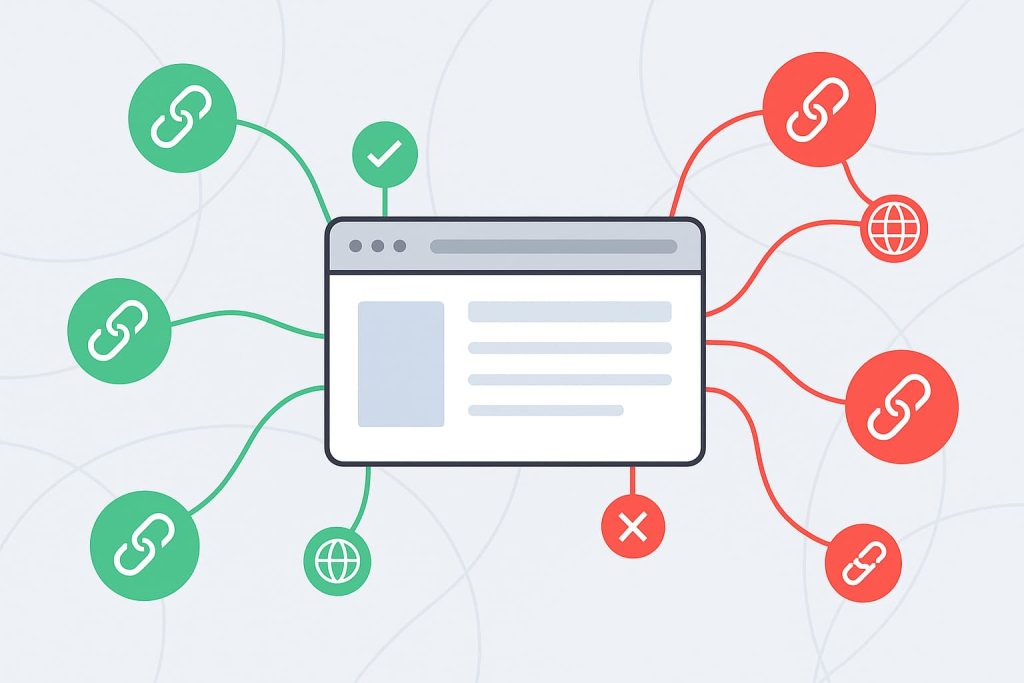
A good backlink profile is critical to SEO performance, but not all audits are made equal. The appropriate technique is determined by your budget, skills, and the intricacy of your backlink concerns.
Option 1: Doing It Yourself (DIY)
When you understand SEO basics and want full control, a DIY backlink audit lets you take charge. You get to analyze, adjust, and improve your links exactly how and when you want—no middleman.
Pros:
- Cost-effective – No need to pay for external help.
- Full transparency – You see every detail of your backlink profile.
- Learning experience – Helps you understand SEO better.
Cons:
- Time-consuming – Requires hours of research and analysis.
- Risk of missing key issues – Without advanced tools, you might overlook toxic links or competitor gaps.
- No expert insights – You may misinterpret data or miss optimization opportunities.
DIY is a good fit for smaller websites with clean backlink histories. You’ll need tools like Ahrefs, SEMrush, Moz, or Google Search Console to get the job done properly.
Option 2: Hiring a Freelancer
If you want professional SEO expertise without agency prices, hiring a freelance consultant might be your best bet. They deliver high-quality work at a more budget-friendly rate—ideal for businesses that need a detailed backlink audit but don’t require (or can’t justify) the hefty investment of a large firm.
Pros:
- Cheaper than agencies;
- Direct contact with one expert;
- Can focus on specific tasks.
Cons:
- Inconsistent experience levels;
- Fewer tools/resources;
- Often no ongoing support.
This approach works well for small-to-midsize businesses that only need a one-time backlink audit instead of ongoing SEO support. It’s a great middle ground—you get expert analysis without the high cost of an agency, particularly if your site has a reasonably clean backlink profile without major spam issues.
Look for someone with real-world experience, and ask for samples of previous audits. They will require expert tools (Ahrefs/Majestic) to produce correct findings. Most essential, ensure that they have a clear mechanism in place for detecting problematic links, issuing disavows, and resolving ranking issues. Do your study ahead of time, and you’ll find an economical specialist who delivers.
Option 3: Working with an Agency
For the best backlink cleanup and SEO results, a professional agency is ideal. Unlike DIY options or freelancers, agencies offer expert teams, advanced tools, and proven strategies—especially useful for fixing toxic links, recovering from penalties, or boosting overall SEO performance.
Pros:
- Detailed, thorough audits;
- Access to premium SEO tools;
- Support for recovery, link building, and monitoring.
Cons:
- Most expensive option;
- Less direct control;
- Some agencies upsell extras.
Agencies are ideal for enterprise-level sites or those recovering from penalties. They don’t just give you data—they build a full action plan to fix, improve, and grow your backlink profile.
One trusted provider in this space is 3XE Digital. Their link audit service includes identifying spammy links, evaluating link relevance and quality, benchmarking against competitors, and helping to recover valuable lost links. They also manage disavow submissions and contact webmasters to remove harmful backlinks, ensuring your link profile is as clean and effective as possible.
Conclusion
The best link audit approach depends on your site size, budget, and goals. DIY works for small sites but requires time and SEO skills. Freelancers offer mid-level expertise at lower costs than agencies. Agencies are best for large sites or penalties, providing full-service solutions. Regular audits help maintain backlink health—remove bad links, recover rankings, and strengthen SEO. Choose the right method and monitor consistently for results.